Counselling & Psychotherapy

Space to think,
room to breathe.

Warm, confidential therapy for the pressures of your twenties and beyond — anxiety, burnout, panic, relationships, and the moments you find hard to name. In person in Clapham and online across the UK.

Your twenties can feel relentlessly pressured — career uncertainty, comparison culture, financial stress, and the sense that everyone else has it together. Therapy is a place to slow down, make sense of what you are carrying, and begin to feel more like yourself again.

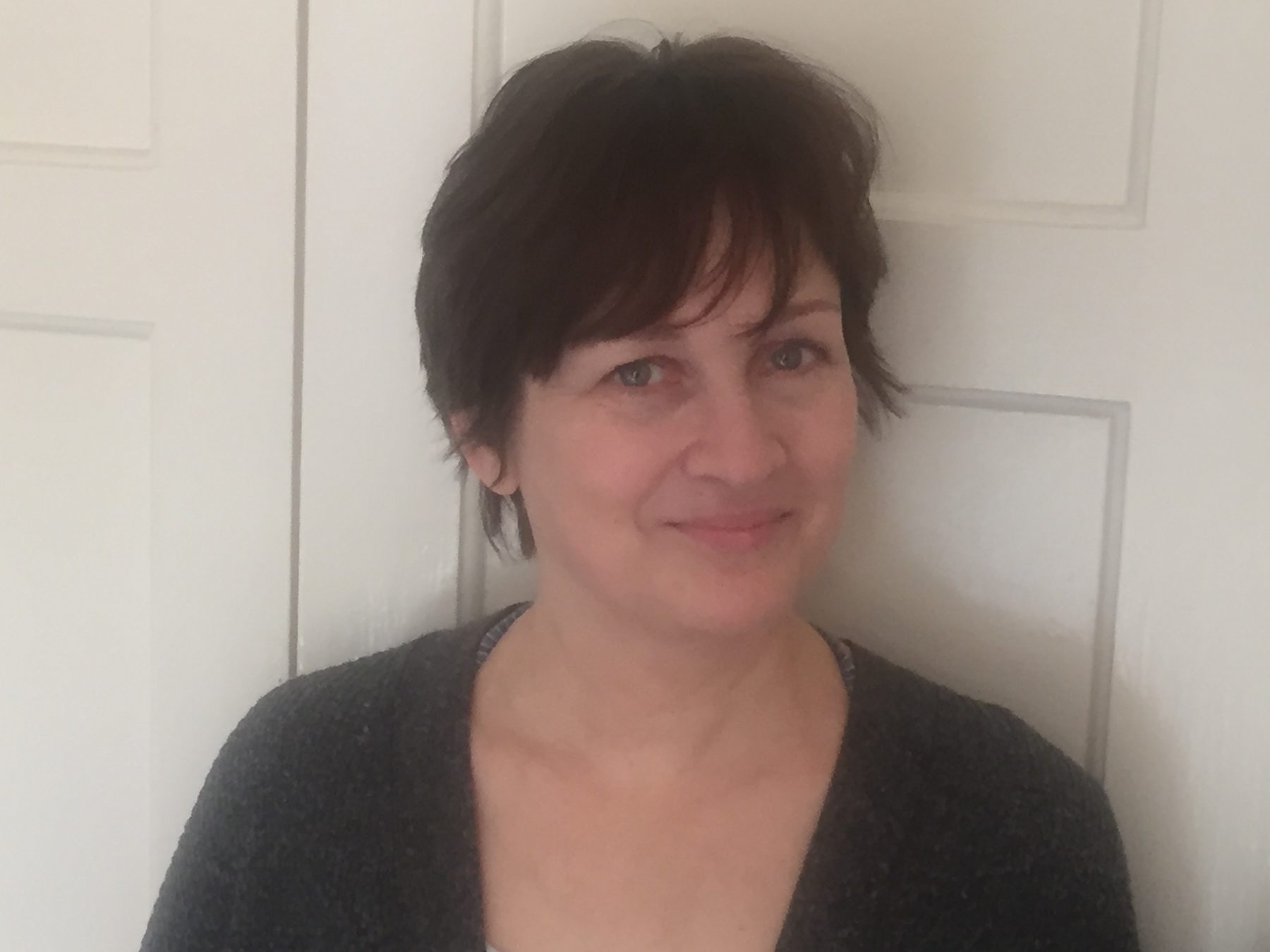
Portrait of Ingrid Berglund

About Ingrid

Hello — I’m Ingrid.

I’m a BACP-registered counsellor and psychotherapist. My work is rooted in the belief that therapy should feel like a conversation — unhurried, honest, and genuinely yours.

I work with adults of all ages, but I have a particular affinity for people in their twenties who are navigating the early-career years, and for women moving through midlife and menopause. I also have experience working with trauma, relationship difficulties, and the quieter, harder-to-articulate feelings that often bring people to therapy in the first place.

Sessions are available in person in Clapham and online across the UK.

How I work

An integrative approach, tailored to you.

Rather than fitting you into a single method, I draw on several therapeutic traditions and adapt to what feels most helpful. Some clients want structure and tools. Others need space to explore. Most need a bit of both.

Humanistic Approach

Person-Centred Therapy

At the heart of this approach is a deep belief in your capacity to grow and heal. Sessions offer a warm, non-judgemental space where you lead the way. Rather than following a fixed structure, therapy unfolds at your own pace — with genuine empathy, acceptance, and presence throughout.

Often helpful for: low self-worth, life transitions, identity questions, feeling lost or stuck.

Psychoanalytic Approach

Psychodynamic Therapy

This approach gently explores how your past — including early relationships and experiences — shapes the way you think, feel, and relate to others today. By bringing unconscious patterns into awareness, you can begin to understand recurring difficulties and find new ways of being.

Often helpful for: recurring relationship patterns, depression, unexplained feelings, the lasting effects of childhood experiences.

Structured, Practical Approach

Cognitive Behavioural Therapy (CBT)

CBT is a structured, practical approach that focuses on the connections between your thoughts, feelings, and behaviours. Together, we’ll identify unhelpful thinking patterns and develop concrete strategies to shift them. Sessions are collaborative and goal-focused.

Often helpful for: anxiety, depression, phobias, stress, overthinking, obsessive-compulsive difficulties.

Relational Approach

Family & Couples Therapy

Relationships can be a source of great comfort — and great pain. Whether you’re coming as a couple navigating conflict or disconnection, or as a family facing a difficult period, this work creates a safe space for honest conversation and stronger bonds.

Often helpful for: communication difficulties, relationship breakdown, parenting challenges, bereavement as a family.

“The therapeutic relationship is the heart of the work. What matters most is that you feel heard, respected, and met where you are.”

What I help with

The things that bring people to therapy.

Most people arrive with something specific they want to work on — and something harder to name sitting underneath it. Both are welcome here. Below are some of the most common reasons people come to see me.

Anxiety & depression

Anxiety and depression often arrive together. Anxiety can look like a racing mind that won’t switch off, a constant low-level dread, or avoiding situations that feel overwhelming. Depression can feel like numbness, exhaustion, or a quiet loss of interest in things that used to matter.

How I can help — Using a blend of CBT and person-centred work, I’ll help you understand what is driving these feelings, develop practical strategies to manage them, and gradually rebuild your sense of self and confidence.

Panic attacks

A panic attack can feel terrifying — a sudden surge of physical symptoms like a racing heart, shortness of breath, dizziness, or the overwhelming feeling that something terrible is about to happen. Over time, the fear of having another one can start to shrink your world.

How I can help — We’ll work to understand the triggers and patterns behind your panic, calm your nervous system’s response, and gradually rebuild your confidence in the situations that feel most difficult — so that anxiety no longer dictates your choices.

Burnout

Burnout is more than being tired. It is a state of deep physical and emotional exhaustion that builds when you have been pushing through for too long — often driven by a fierce sense of responsibility, perfectionism, or the pressure to prove yourself early in your career. Many people don’t recognise burnout until they’ve hit a wall.

How I can help — I’ll help you slow down enough to understand what has brought you here, explore the beliefs and pressures that keep pushing you forward, and find a more sustainable relationship with work, rest, and your own sense of worth.

Relationship problems

Navigating relationships is genuinely complicated — whether that is a romantic partnership under strain, friendships that have shifted, family dynamics that feel suffocating, or a pattern of relationships that keeps ending the same way. It can be hard to know where the problem lies.

How I can help — Drawing on psychodynamic and relational approaches, I’ll help you understand the patterns you bring to your relationships — and why — so that you can start to relate to others, and yourself, in ways that feel healthier and more fulfilling.

Trauma & PTSD

Trauma is not defined by the event itself — it is defined by the impact it has on you. Whether you have experienced a single distressing event or a prolonged period of difficulty, the effects can reach into every part of your life. PTSD can show up as flashbacks, hypervigilance, avoidance, numbness, or a deep disconnection from your own feelings.

How I can help — Working with trauma requires great care. I create a safe, contained space where you are never pushed further or faster than feels right. Drawing on psychodynamic and person-centred principles, we work gently to help you process what has happened and loosen its hold on your present.

Menopause & midlife

Menopause is far more than a physical experience. The hormonal shifts can bring profound changes in mood, memory, and sense of self — alongside deeper questions about identity, ageing, purpose, and what comes next. Many women describe a sense of invisibility, or grieving a version of themselves they aren’t ready to let go of.

How I can help — I offer a warm, confidential space to talk honestly about both the physical realities and the emotional weight they carry — processing feelings of loss or change, rebuilding confidence, and finding a renewed sense of who you are in this next chapter.

Free resource

Some tools for anxiety

A practical guide to grounding techniques, breathing exercises, and mindfulness practices you can use in the moment and build into everyday life. Free to download.

Download the guide (PDF)

No sign-up required — just open and read.

Questions people ask

Frequently asked questions

What types of counselling services do you offer?
I offer individual therapy, couples counselling, and family therapy. My main areas of focus include anxiety, depression, burnout, relationship difficulties, trauma, and life transitions including menopause.
How long are the sessions?
Standard sessions are 50 minutes. I can arrange longer sessions where that makes sense — particularly for couples or family work.
How often will I need to attend?
Frequency depends on your needs. We typically start with weekly sessions and adjust as we go. Some clients move to bi-weekly or monthly sessions as they progress.
Is everything I say confidential?
Confidentiality is a cornerstone of the work. Everything discussed in your sessions is kept strictly confidential, with a few legal exceptions — for example, if there is a risk of serious harm to yourself or others. We’ll talk through this fully at the start.
How much does it cost?
Fees vary depending on the type and length of session. Please get in touch for the current fee structure. A limited number of lower-fee spaces are available for those experiencing financial hardship.
Do you offer online sessions?
Yes. I offer secure online sessions for clients who prefer virtual appointments or can’t attend in person.
How do I know if I need counselling?
If you’re experiencing persistent emotional distress, relationship difficulties, or struggling to cope, counselling can help. It’s also valuable for personal growth and self-understanding — you don’t have to be in crisis to benefit.
How long will I need to be in therapy?
Some clients find short-term therapy of six to twelve sessions sufficient. Others benefit from longer-term support. We’ll regularly review your progress and goals together.
What if I don’t feel comfortable with you as a therapist?
The therapeutic relationship is central to effective work. If something doesn’t feel right, I’d rather we talk about it than not. If I’m not the right fit, I’m happy to suggest colleagues who might be.
Do you prescribe medication?
No — as a counsellor I don’t prescribe. If medication might be helpful I can suggest you speak with your GP or a psychiatrist, and I’m happy to work alongside them.
How do I schedule an introductory chat?
Send an email using the details below, or the contact form. I’ll get back to you within a couple of working days to arrange a brief, free initial conversation so we can see whether we’re a good fit.

Get in touch

Ready to talk?

The first step is often the hardest. If you’re considering therapy, I’d welcome the chance to hear a little about what’s going on and whether working together feels right. I offer a free 20-minute introductory conversation by phone or video — no commitment required.

Email

ingrid.m.berglund@icloud.com

Phone

+44 (0)7976 442129

Practice addresses

Clapham Therapy Rooms
76a Battersea Rise, SW11 1EH

Clapham North Therapy
2 Lion Yard, Tremadoc Road, SW4 7NQ

Online sessions

Available across the UK via secure video.

A desk with a laptop, notebook and cup of coffee